
How Meal Planning Can Save You Time and Money Every Week
Discover how meal planning can transform your routine and boost your budget! In this blog post, we’ll explore time-saving strategies and money-saving tips that make meal planning a breeze. Learn how to streamline your grocery shopping, reduce food waste, and enjoy healthier meals throughout the week.
Say goodbye to last-minute takeout and hello to organized, stress-free cooking! Perfect for busy families and anyone looking to simplify their meal preparation.
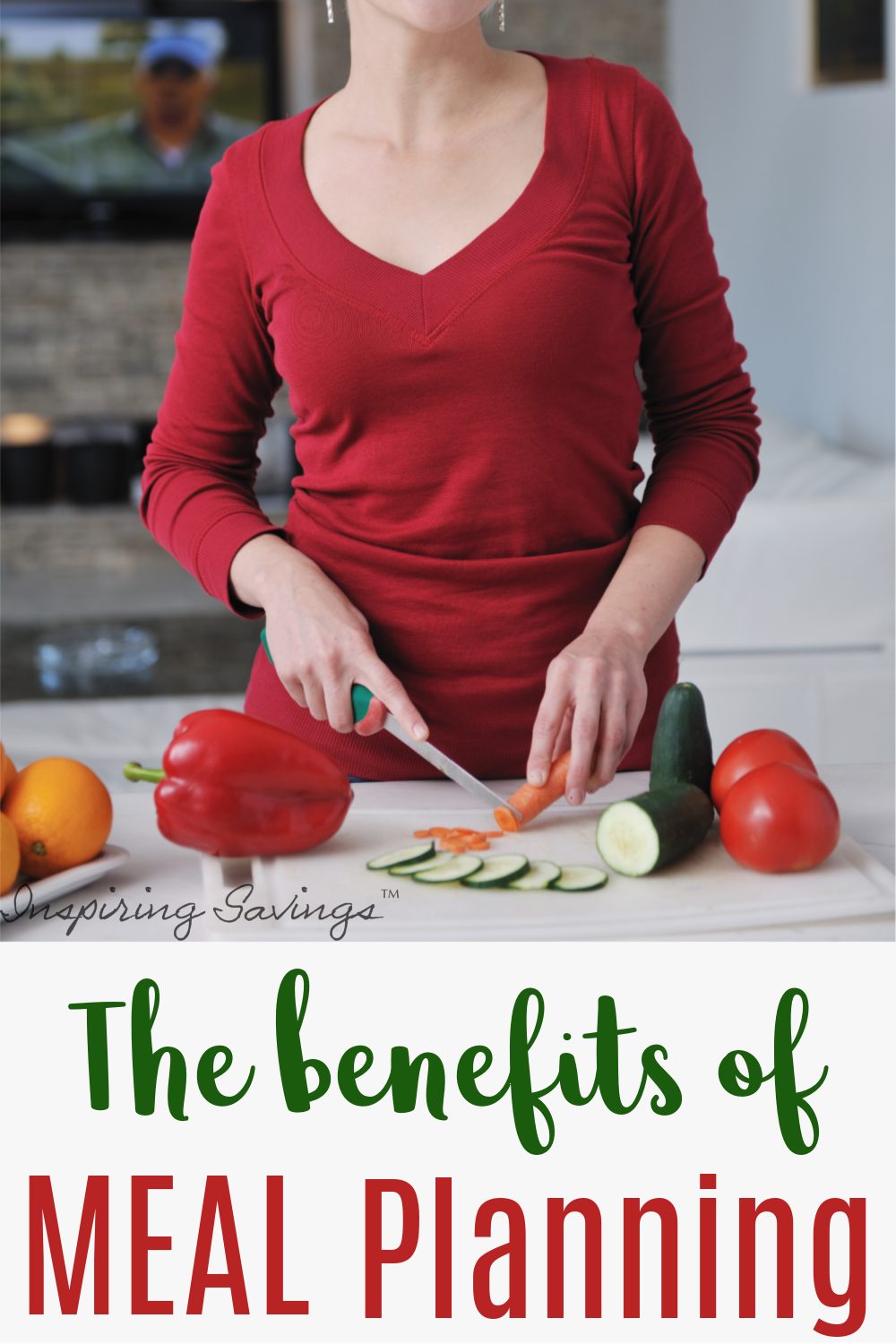
If you have ever stood in front of the refrigerator at 5 p.m. wondering, “What am I going to make for dinner tonight?” you already know how stressful mealtime can become.
Without a plan, it is easy to make an extra trip to the grocery store, order takeout, or buy ingredients you don’t actually need. Meal planning can help eliminate much of that stress while making your grocery budget stretch further.
The good news is that meal planning doesn’t have to mean creating a complicated schedule or spending hours in the kitchen. Even a simple plan for the week can make a noticeable difference.
How Meal Planning Will Save You Time and Money
What Is Meal Planning?
Meal planning is simply deciding what you are going to eat before you need to make it.
Instead of shopping without a plan and figuring out dinner each night, you take a few minutes to look at your schedule, check what you already have, and decide which meals you will prepare for the week.
Your plan can be as detailed or as simple as you want. Some families plan every breakfast, lunch, and dinner, while others focus only on evening meals.
The goal isn’t perfection. The goal is to make your week easier.
1. You Buy Only What You Need
One of the easiest ways to overspend at the grocery store is shopping without a plan.
When you know what meals you are making, you can create a shopping list based on the ingredients you actually need. This helps prevent those random purchases that add up quickly.
Before heading to the store, check your refrigerator, freezer, and pantry. You may already have many of the ingredients needed for your meals.
2. It Helps Reduce Food Waste
Food waste is essentially money going into the trash.
How many times have you purchased fresh produce with good intentions only to discover it sitting forgotten in the back of the refrigerator?
Meal planning can help you use food before it spoils. Plan meals around ingredients you already have and look for opportunities to use the same ingredient in more than one meal.
For example, a large package of chicken could become grilled chicken one night, chicken salad for lunch, and chicken soup later in the week.
3. You Eat Out Less Often
Last-minute dinners can get expensive.
When you don’t know what to make, grabbing takeout may seem like the easiest solution. But those convenient meals can quickly add hundreds of dollars to a monthly food budget.
Having a plan means you are less likely to reach for your phone and order dinner simply because you don’t know what else to make.
Even keeping a few quick meals in your freezer or pantry can help you avoid those expensive last-minute decisions.
4. You Can Take Advantage of Sales
Meal planning also gives you the opportunity to shop strategically.
Look through your grocery store’s weekly sales before creating your menu. If chicken, ground beef, or seasonal produce is on sale, build a few meals around those ingredients.
You don’t have to plan your entire menu around sales, but combining your meal plan with grocery deals can help lower your overall spending.
How Meal Planning Saves You Time
5. You Don’t Have to Decide What to Make Every Night
Decision fatigue is real, especially when you are responsible for feeding a family.
When dinner is already planned, you don’t have to spend 20 minutes staring into the refrigerator trying to come up with an idea.
You simply look at your meal plan and get started.
That small amount of preparation can make busy weeknights feel much less chaotic.
6. You Can Prep Ingredients Ahead of Time
Meal planning makes it easier to identify tasks that can be completed ahead of time.
You might wash and chop vegetables, cook a batch of rice, brown ground beef, or prepare a sauce on the weekend.
You don’t have to prepare every meal in advance. Even 30 minutes of prep can save valuable time during the week.
7. You Can Plan Around Your Schedule
Not every night of the week looks the same.
Maybe Monday is your busiest evening, while Friday gives you more time to cook. Your meal plan should reflect that.
Schedule quick and easy meals on your busiest nights and save more involved recipes for days when you have extra time.
This simple strategy can keep you from abandoning your meal plan when life gets busy.
Use What You Already Have
One of my favorite meal-planning habits is starting with the food already in my kitchen.
Before making your grocery list, take a quick inventory of your refrigerator, freezer, and pantry.
Do you have leftover cooked meat? Frozen vegetables? Pasta? Rice? Canned tomatoes? A package of meat that needs to be used?
Build at least a few meals around those ingredients.
This not only saves money but also helps keep your kitchen organized and prevents perfectly good food from going to waste.
Keep Your Meal Plan Simple
You don’t need seven complicated recipes every week.
In fact, some of the best meal plans are built around simple meals your family already enjoys.
Try creating a weekly rotation such as:
- Monday: Slow cooker meal
- Tuesday: Taco or Mexican-inspired meal
- Wednesday: Leftovers
- Thursday: Pasta or rice dish
- Friday: Homemade pizza or burgers
- Saturday: Family favorite
- Sunday: Larger meal with planned leftovers
Your schedule can look completely different. The important thing is creating a system that works for your family.
Plan for Leftovers
Don’t overlook the money-saving power of leftovers.
When preparing dinner, consider making enough for another meal. Leftovers can become tomorrow’s lunch or be transformed into something completely different.
For example, leftover roasted chicken can become sandwiches, chicken salad, soup, or tacos.
Cooking once and eating twice is one of the easiest ways to save both time and money.
Create a Grocery List From Your Meal Plan
Once your meals are selected, turn the plan into a grocery list.
Organize your list by sections of the store if that makes shopping easier. For example:
Produce: fruits and vegetables
Meat: chicken, beef, pork
Dairy: milk, cheese, eggs
Pantry: rice, pasta, canned goods
Freezer: frozen vegetables and other frozen foods
And remember to check your pantry and refrigerator before adding something to your list. There is no reason to buy another bottle of ketchup when you already have two sitting in the pantry!
Meal Planning Doesn’t Have to Be Perfect
Perhaps the most important thing to remember is that meal planning is meant to make your life easier—not create another source of stress.
Plans will change. Schedules will get interrupted. Sometimes you will simply not feel like making what is on the menu.
That’s okay.
Move meals around, use leftovers, swap ingredients, or pull something from the freezer. A meal plan is a tool, not a rulebook.
A Little Planning Can Make a Big Difference
Meal planning is one of those simple household habits that can have a surprisingly big impact.
It can help you spend less at the grocery store, waste less food, make fewer last-minute trips to the store, and spend less time wondering what to cook.
You don’t need a fancy meal-planning system to get started. Grab a piece of paper, look at your family’s schedule, check what you already have, and choose a few meals for the week.
A little planning today can mean less stress, less food waste, and more money left in your budget at the end of the week.
To Read More About Menu Planning
- Menu Planning Apps & Tools
- Meal Planning 101- “Ready to Try Menu Planning”
- Frequently Asked Questions About Meal Planning
- Freezer Cook Like a Pro! – Easy Tips To Get Started
This post may contain affiliate links or sponsored content. Disclosure Policy







15 Comments