
5 Benefits of Home Canning Your Own Food That Make It Worth the Effort
Unlock the secrets of home food canning and discover how this age-old practice can save you money and reduce food waste! In this blog post, we’ll delve into the many benefits of canning, from preserving seasonal produce to enjoying homemade goodies year-round. Learn essential tips for getting started, the best foods to can, and how this sustainable method can enhance your pantry while providing delicious, healthy meals for your family.
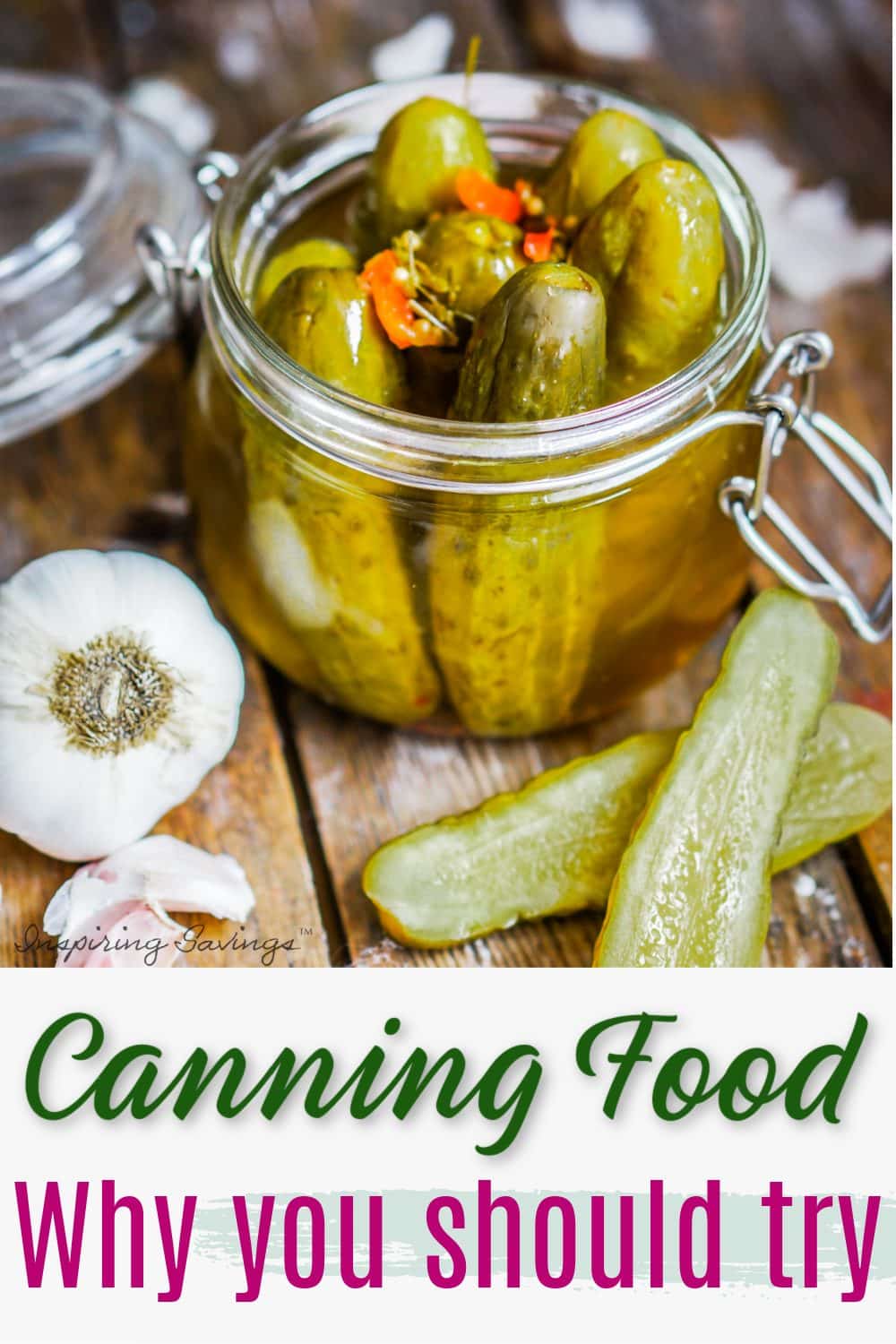
Home canning can require some upfront costs if you are purchasing jars, equipment, and supplies for the first time. However, once you have the basic equipment, it can become a practical way to preserve seasonal food and potentially save money over time.
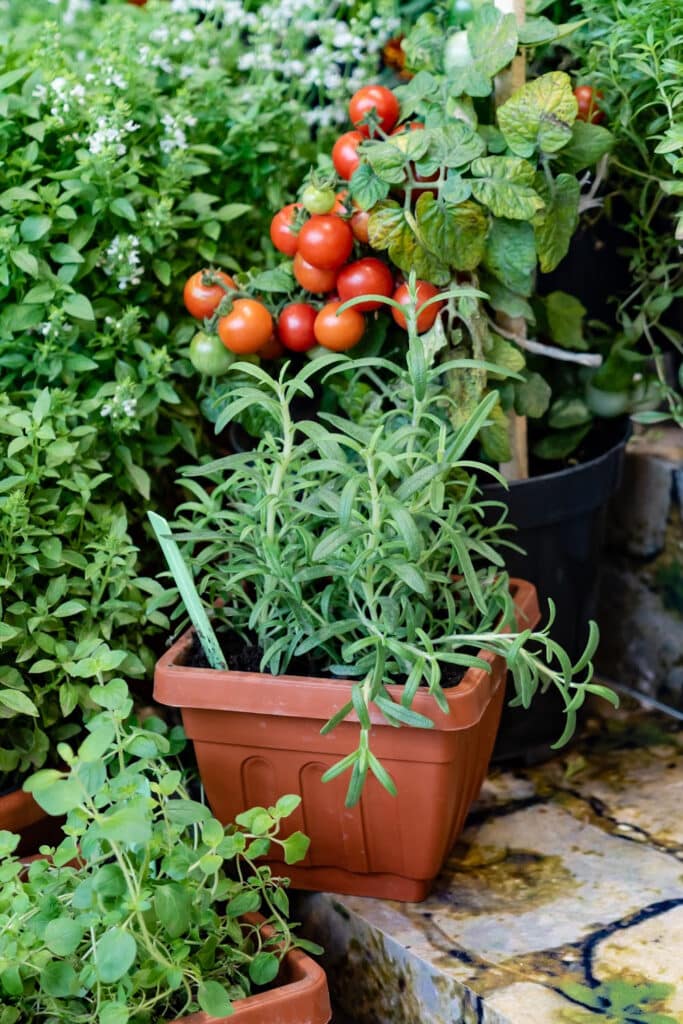
For me, canning has also become a hobby. One summer, my little garden produced more tomatoes than I knew what to do with. Rather than letting them go to waste, I turned them into chili, stewed tomatoes, homemade sauce, and whole canned tomatoes. There is something incredibly satisfying about seeing shelves filled with food that you grew and prepared yourself.
Home canning has become one of the ways I reduce food waste while making the most of what my garden and local farms have to offer. It is a wonderful feeling to preserve food when it is plentiful and have it available for future meals.
The Benefits of Home Food Canning
Two Types of Home Canning Methods
There are two primary methods of home canning: water-bath canning and pressure canning. Choosing the correct method is important for food safety.
Water-bath canning — Also called boiling-water canning, this method is generally used for high-acid foods, including properly acidified fruits, jams and jellies, pickles, and many tested tomato recipes. The jars are covered with boiling water and processed for a specific amount of time according to a tested recipe.
Pressure canning — Pressure canning is the recommended method for low-acid foods, including most vegetables, meats, poultry, beans, and many soups. These foods require higher temperatures than boiling water can provide. Will need a pressure canner and canning kit equipment.
If you are new to canning, always follow a current, tested recipe and recommended processing time. Canning is not the place to guess about ingredient amounts, acidity, processing times, or temperatures.
The Benefits of Home Food Canning
Save Money
Food prices can add up quickly, especially when you are feeding a family. Buying fruits and vegetables when they are in season, growing your own produce, or purchasing larger quantities from local farms can give you an opportunity to preserve food when prices are lower.
Canning can also help you make the most of food you already have. Instead of allowing an abundant garden harvest or inexpensive seasonal produce to spoil, you can preserve it for later.
There are costs involved, including jars, lids, equipment, and ingredients, so home canning isn’t automatically cheaper than buying canned food at the grocery store. However, when you reuse appropriate equipment and take advantage of seasonal produce, it can become a worthwhile way to stretch your grocery budget.
It can also make mealtime prep easier. Having homemade sauces, tomatoes, fruits, and other preserved foods ready in your pantry means you already have ingredients on hand for future meals.
Know What You’re Eating
One of my favorite benefits of home canning is knowing exactly what goes into the food I prepare.
When you preserve your own food, you choose the ingredients and can avoid adding ingredients you don’t want. You can select fresh produce, adjust seasonings in recipes where it is safe to do so, and choose ingredients that fit your family’s preferences.
Just remember that with canning, food safety comes first. Some ingredients can be changed or omitted, while others affect acidity, density, or processing and should not be altered unless the recipe specifically allows it.
A Sense of Accomplishment
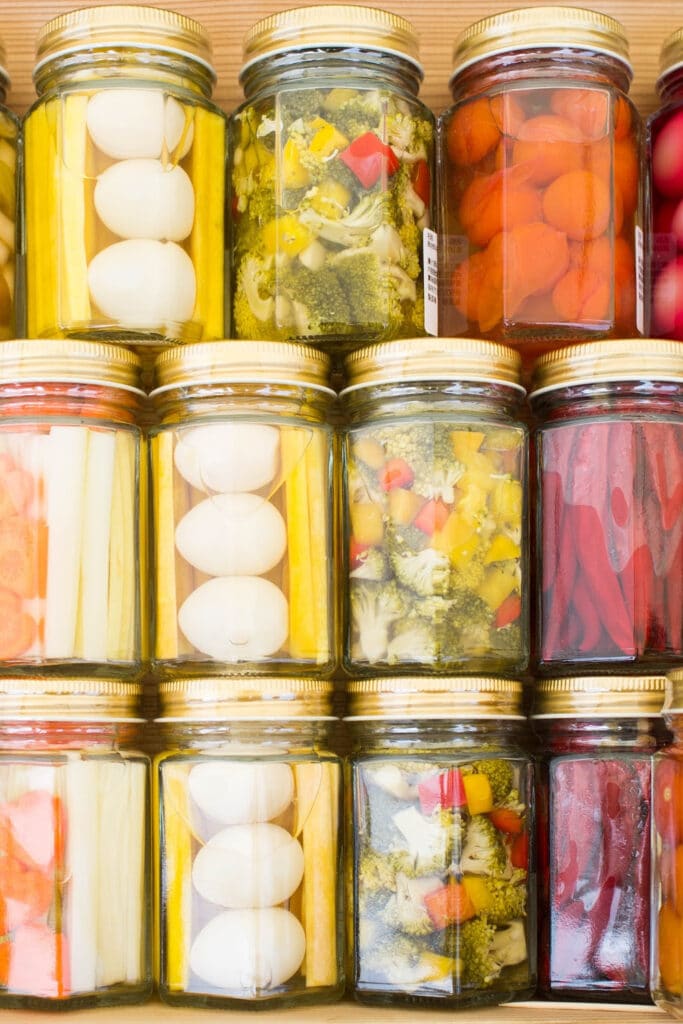
There is something special about seeing rows of jars lined up in the pantry.
When I look at jars filled with tomatoes, sauce, or other foods that I grew or purchased locally and preserved myself, I feel a real sense of accomplishment. Each jar represents time spent gardening, preparing food, and planning ahead for my family.
It is more than simply having food stored away. It is the satisfaction of knowing that I took something that could have gone to waste and turned it into something we can enjoy later.
Better-Tasting Food
Fresh, seasonal ingredients can make a noticeable difference in the finished product. When you preserve produce at its peak, you can enjoy those flavors long after the growing season has ended.
We love visiting local farms during the summer, and buying seasonal produce gives us another opportunity to support local farmers while stocking up on ingredients for preserving.
Home canning also allows you to make foods your family actually enjoys. You can prepare tested recipes for tomato sauce, fruits, pickles, and other preserved foods rather than buying whatever happens to be available at the grocery store.
Reduce Food Waste
One of the biggest advantages of home food preservation is that it gives you another option when you have more food than your family can eat right away.
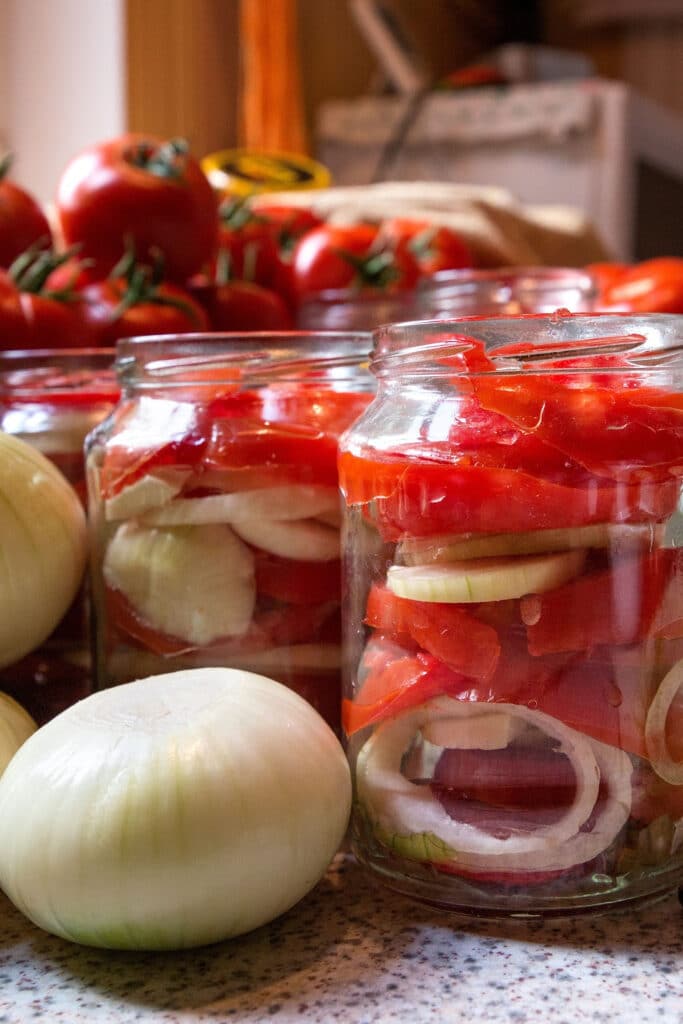
A large garden harvest doesn’t have to end up in the compost bin. Extra tomatoes can become sauce or properly canned tomatoes, while other seasonal produce can be preserved using an appropriate method.
Canning is just one tool for reducing food waste, but it can be especially helpful when you have a productive garden or access to inexpensive seasonal produce.
A Helpful Resource for New Canners
If you’re new to home canning, start with a reliable, tested resource rather than simply following recipes you find online.
The Ball Complete Book of Home Preserving is a popular reference for home preservers and contains a wide variety of recipes and preservation information.
You can also find reliable canning guidance through university extension programs and other food-preservation resources.
Most importantly, don’t improvise when it comes to canning. The process may seem simple, but improperly canned foods can become unsafe. Using the correct equipment, tested recipes, preparation methods, and processing times is essential.
The potential for foodborne illness is one of the biggest disadvantages of home canning, but proper education and careful attention to safe canning practices can help you preserve food safely for your family.
Other Helpful Articles
Meal Planning 101 – Helping You Save More Money
6 Food Purchases That Kill Your Budget
Eating At Home Equals More Money in Your Pocket
How to Freeze Fresh Vegetables – Preserving Your Harvest
This post may contain affiliate links or sponsored content. Disclosure Policy

4 Comments